
PDMS Microstructures on Silicon Wafers
Create high-quality Polydimethylsiloxane (PDMS) microstructures using Teflon-coated silicon wafers designed for microfluidics, soft lithography, MEMS devices, and lab-on-a-chip applications.
PDMS is one of the most widely used polymers for fabricating microfluidic channels and biomedical devices because of its flexibility, optical transparency, chemical stability, and biocompatibility.
During fabrication, liquid PDMS is poured onto a patterned silicon wafer substrate where it cures and hardens. After peeling the PDMS layer from the wafer surface, the microchannel or nanoscale pattern remains accurately replicated in the polymer structure.
Researchers commonly use PDMS microstructures in:
- Microfluidic chips
- Lab-on-a-chip systems
- Biomedical sensors
- Cell culture platforms
- MEMS devices
- Flexible electronics
- Optical and chemical sensors
SU-8 photoresist molds and fluorinated wafer coatings are frequently used to improve PDMS release characteristics and reduce adhesion during the molding process.
Example Wafer Specifications for PDMS Processing
100mm Diameter
(100) Orientation
500µm Thickness
Double Side Polished (DSP)
Teflon Coating: 500nm
Glass wafers and silicon substrates are available for custom PDMS microstructure fabrication.
Get Your PDMS Wafer Quote FAST! Or, Buy Online and Start Researching Today!
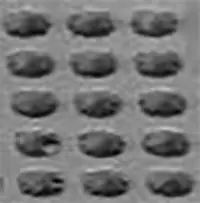
PDMS microstructure fabricated on Teflon-Coated Silicon Wafers .
What Are PDMS Microstructures?
Polydimethylsiloxane (PDMS) microstructures are widely used in
MEMS devices, microfluidic chips, biomedical sensors, and lab-on-a-chip applications. PDMS is a flexible silicone-based polymer that can replicate microscopic patterns with high precision, making it one of the most commonly used materials in soft lithography and microfabrication research.
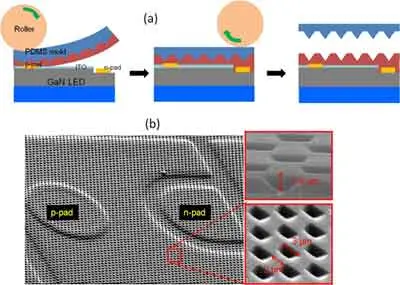
In most fabrication processes, PDMS is poured onto patterned silicon wafers or SU-8 photoresist molds to create microchannels, cavities, and nanoscale surface structures. Once cured, the PDMS layer is peeled away, leaving a detailed replica of the original mold geometry.
Researchers commonly use PDMS microstructures in microfluidic flow control, biosensors, optical devices, wearable electronics, and cell culture platforms. The material’s transparency, flexibility, and biocompatibility make it ideal for biological and medical applications.
Why Are Silicon Wafers Used for PDMS Molds?
Silicon wafers are preferred substrates for PDMS molding because they offer excellent surface flatness, dimensional stability, and compatibility with photolithography processes. Silicon also allows researchers to fabricate highly precise microchannels and patterned surfaces for advanced microfluidic devices.
Teflon-coated silicon wafers are especially useful because they improve mold release properties during the PDMS peeling process. This reduces surface damage and helps preserve delicate nanoscale structures during fabrication.
PDMS Properties for Microfluidic Applications
PDMS is chemically stable, optically transparent, flexible, and highly resistant to temperature variations. These properties make it a leading material for:
- Microfluidic chips
- Lab-on-a-chip devices
- Biomedical implants
- Flexible electronics
- Optical sensors
- Cell culture platforms
- MEMS and biosensor devices
The polymer also supports oxygen plasma surface treatment, allowing temporary modification from hydrophobic to hydrophilic behavior. This process improves bonding between PDMS layers and glass or silicon substrates during device assembly.
How Is PDMS Molded on Silicon Wafers?
PDMS molding typically begins with a patterned silicon wafer fabricated using photolithography or SU-8 photoresist. The liquid PDMS prepolymer is poured over the mold and baked at elevated temperatures until fully cured.
After curing, the PDMS layer is carefully peeled from the silicon wafer, transferring the microstructure geometry into the flexible polymer. Researchers often use oxygen plasma treatment or fluorinated coatings to improve release characteristics and reduce adhesion during peeling.
This fabrication technique enables the rapid production of low-cost microfluidic devices with high pattern accuracy and excellent repeatability.
Can PDMS Be Treated With Oxygen Plasma?
Yes. Oxygen plasma treatment is one of the most common methods used to modify PDMS surfaces. Plasma exposure introduces silanol (SiOH) groups onto the PDMS surface, improving wettability and allowing strong bonding between PDMS, glass, and silicon.
Oxygen plasma treatment is widely used in the fabrication of sealed microfluidic channels and biomedical devices. However, excessive plasma exposure can create surface cracking or alter the mechanical properties of the polymer, so processing conditions must be carefully controlled.
PDMS Applications in Research and Industry
PDMS microstructures continue to play an important role in semiconductor research, biomedical engineering, and nanotechnology development. Applications include:
- Point-of-care diagnostic devices
- Microfluidic chemical analysis systems
- Stretchable electronic devices
- Optical waveguides
- Pressure and force sensors
- Biocompatible implants
- Wearable medical devices
As microfabrication technology advances, PDMS remains one of the most versatile materials for rapid prototyping and scalable production of flexible microdevices.