SOI Wafers for Silicon Photonics Applications
Silicon-on-insulator (SOI) wafers are widely used in silicon photonics because the buried oxide layer improves optical confinement and supports high-speed photonic integrated circuits. Researchers developing optical communication systems, photonic chips, and waveguide devices commonly use high-resistivity SOI substrates for advanced semiconductor applications.
A company founder requested the following quote:
Do you ever stock high-resistivity SOI wafers for silicon photonics? We're looking for a supplier for one or two wafers.
We need two products. The first would be 220 nm-thick silicon (100) on 2 micron oxide. The resistivity should be high (>1000 Ohm-cm). This is a standard silicon photonics stack. One caveat, we'd like the backside to be polished.
I'll get back to you on the specs of the second wafer. We're not sure yet about the thickness of the device layer, but if it came 220 nm, we could thin it. It will also be high-resistivity float zone silicon on a thin buried oxide layer. 300 nm for the buried oxide would be great. This thin BOX layer is more common in electronics. We don't need a polished backside for this wafer.
Reference #273106 for specs and pricing.
High-resistivity SOI wafers are commonly selected for photonic integrated circuits because they help reduce signal loss while improving optical performance. Many silicon photonics engineers use 220nm device layers with thermal oxide structures for optical waveguides, modulators, and photonic interconnect fabrication.
SOI Devices Based on Silicon Photonics
Silicon photonics devices combine semiconductor manufacturing with optical communication technology to increase bandwidth and reduce power consumption in data transmission systems. Applications include optical networking, AI hardware, quantum computing, and optical sensing devices.
A semiconductor engineer from a technology company requested the following:
My team and I are developing a device based on silicon photonics, so we would like to use your SOI wafers with the following specifications:
Handle wafer: 400 um (or thinner if possible)
BOX layer: 2um (SiO2)
Device layer: 80 um (ideally 65 um)
We are in the early stage of development and initially we'll be needing low volumes for running tests. We would like to know the cost of this type of product, the delivery time, and the MOQ.
Reference #271631 for specs and pricing.
Researchers developing photonic integrated circuits frequently require custom SOI wafer thicknesses and buried oxide layers depending on the optical wavelength and waveguide structure being fabricated. High-quality thermal oxide silicon wafers are also commonly used in integrated photonics manufacturing.
Thin Device Layer SOI Wafers for Photonic Chips
Thin device layer SOI wafers are commonly used for optical interconnects, silicon waveguides, photonic switches, and photonic integrated circuit fabrication. Researchers often combine SOI wafers with silicon nitride thin films to improve optical performance and reduce propagation losses.
A silicon photonics engineer requested the following quote:
We are looking to do silicon photonics, and wondering if you have the 220 nm SI SOI wafer, stoichiometric SiN 150 nm thick, and LPCVD SiN 450 nm thick. All of them 100 mm in diameter with 2 or 3 um of oxide underneath.
Please let me know the cost of each. We are looking to get 2 wafers of each type to start.
Looking to purchase 220 nm thick silicon SOI wafers with the spec below:
200mm SOI WAFERS DEVICE TOP LAYER:
Diameter: 200±0.2mm
Type/Dopant: P/B
Orientation: (1-0-0)±0.5°
Thickness: 220±10nm
Resistivity: 8.5-11.5 ohm-cm
BURIED THERMAL OXIDE:
Thickness: 3μm±5%
HANDLE LAYER:
Thickness: 725±15um
Resistivity: ≥750 ohm-cm
Overall Wafer:
TTV: ≤5μm
Warp: ≤50μm
Bow: ≤50μm
Reference #277110 for specs and pricing.
Many photonic chip developers use 220nm SOI wafers because the device layer thickness is well suited for optical waveguide fabrication at telecommunications wavelengths. Silicon nitride coatings deposited using LPCVD are also frequently integrated into photonic devices for low-loss optical routing and resonator applications.
Get Your Silicon Photonics Wafer Quote FAST!
Or, Buy Online Today.
Benefits of Silicon Photonics Technology
Modern data centers consume enormous amounts of energy transferring information between processors, servers, and networking hardware. Silicon photonics technology may help reduce these energy demands by replacing traditional electrical interconnects with high-speed optical communication systems.
Unlike copper connections, optical communication systems can transmit significantly larger amounts of data while reducing thermal limitations and signal degradation. Researchers continue developing photonic integrated circuits and optical interconnect technologies to support cloud computing, AI systems, and next-generation networking infrastructure.
Photonics-Based Optical Transistors
Optical transistors use photons instead of electrons to process and transmit information. These devices are being researched for optical computing, quantum communication, and high-speed photonic processing applications.
Silicon photonics research combines semiconductor manufacturing with optical waveguide technology to create devices capable of faster signal transmission and lower energy consumption. Researchers developing optical transistors often use silicon wafers, SOI substrates, thermal oxide coatings, and silicon nitride films for photonic device fabrication.
We have the silicon photonics wafers you need!
Related Silicon Photonics Articles
Frequently Asked Questions
What are SOI wafers used for in silicon photonics?
SOI wafers are used to fabricate photonic integrated circuits, optical waveguides, optical interconnects, and high-speed communication devices.
Why are 220nm SOI wafers commonly used?
220nm SOI wafers are widely used because the silicon device layer thickness supports efficient optical waveguide fabrication for telecommunications wavelengths.
What materials are used in photonic integrated circuits?
Photonic integrated circuits commonly use silicon wafers, SOI substrates, silicon nitride thin films, thermal oxide coatings, and optical glass materials.
Silicon Wafers Used for Silicon Photonics
Silicon wafers are widely used in silicon photonics research because they allow engineers to integrate optical communication directly onto semiconductor chips. Silicon photonics combines traditional CMOS semiconductor manufacturing with optical waveguides, lasers, modulators, and photodetectors to improve data transmission speeds while reducing power consumption.
Researchers developing photonic integrated circuits (PICs), optical interconnects, and optical computing systems often use SOI wafers because the buried oxide layer improves light confinement and waveguide efficiency. These substrates are commonly used in telecommunications, artificial intelligence hardware, quantum computing, and high-speed data center applications.
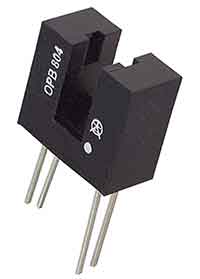
What are Optical Transistors?
An optical transistor is a device that uses photons instead of electrons to process and transmit information. Unlike traditional electronic transistors, optical transistors can move data using light signals, helping reduce signal loss and energy consumption in advanced computing systems.
Optical transistors are being researched for use in optical computing, quantum information processing, and ultra-fast communication networks. By replacing electrical interconnects with optical pathways, silicon photonics devices may significantly improve bandwidth and reduce thermal limitations found in conventional semiconductor electronics.
Many optical transistor designs rely on thermal oxide silicon wafers, silicon nitride coatings, and high-resistivity silicon substrates to guide light efficiently across photonic circuits. Researchers are also investigating hybrid photonics platforms that combine silicon with materials such as lithium niobate, indium phosphide, and graphene.
SOI Wafers for Photonic Integrated Circuits
Silicon-on-insulator wafers are among the most important materials used in photonic integrated circuit fabrication. The thin silicon device layer and buried oxide structure support the creation of optical waveguides, modulators, resonators, and photonic switches.
Researchers developing silicon photonics chips commonly request 220nm SOI wafers with buried oxide layers ranging from 1µm to 3µm. These wafers are frequently used for:
- Optical communication systems
- Data center interconnects
- Quantum photonics research
- Photonics-based AI hardware
- Optical sensing applications
- High-speed signal transmission
UniversityWafer supplies SOI wafers with custom device layer thicknesses, buried oxide thicknesses, wafer diameters, and resistivity ranges for silicon photonics research and semiconductor fabrication.
Silicon Nitride and Thermal Oxide for Photonics
Many photonic devices also require silicon nitride thin films because of their low optical loss and compatibility with integrated photonics manufacturing. Silicon nitride is commonly used in waveguides, ring resonators, optical filters, and biosensing devices.
In addition, TEOS oxide and wet thermal oxide layers are used to electrically isolate photonic structures and improve optical performance. Engineers developing photonic chips often combine thermal oxide, silicon nitride, and SOI substrates to fabricate advanced optical systems on a single wafer platform.
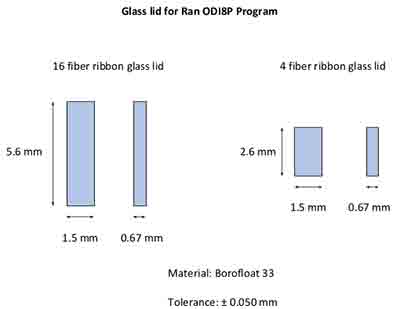
Borofloat Glass for Silicon Photonics Packaging
Borofloat 33 glass is commonly used in silicon photonics packaging applications because of its thermal stability, optical transparency, and compatibility with semiconductor bonding processes.
Glass lids, diced glass substrates, and optical windows are frequently integrated into photonic packages to protect optical components while maintaining high optical transmission. These materials are used in optical MEMS devices, photonic sensors, and fiber optic communication systems.
Silicon Photonics Applications
Silicon photonics technology is rapidly expanding into applications involving cloud computing, machine learning, optical networking, autonomous vehicles, and high-performance computing systems. Optical interconnects built on silicon wafers can transfer significantly more data than traditional copper connections while consuming less power.
Researchers continue developing optical computing architectures that use photonic integrated circuits and optical transistors to increase processing speeds and improve energy efficiency in future semiconductor devices.
Buy silicon photonics wafers online or request a custom quote for SOI wafers, thermal oxide silicon, silicon nitride, and other photonic substrate materials used in advanced semiconductor research.
Frequently Asked Questions
What wafers are used in silicon photonics?
Silicon photonics commonly uses SOI wafers, thermal oxide silicon wafers, silicon nitride coated wafers, and high-resistivity silicon substrates for optical waveguide fabrication and photonic integrated circuits.
Why are SOI wafers used for photonic chips?
SOI wafers improve optical confinement and reduce signal loss because the buried oxide layer helps guide light through photonic waveguides.
What are optical transistors used for?
Optical transistors are being researched for optical computing, quantum communication, high-speed networking, and advanced photonic processing systems.
