Orientation: C-Plane (0001)
Thickness: 1000 ± 50 µm
Surface Finish: Both Sides Fine Ground
Size: 15 mm × 18 mm pieces
Quantity: 5–10 pieces
Sapphire Wafer Plates for Semiconductor Processing
Sapphire wafer plates (Al₂O₃) are widely used in semiconductor manufacturing, photonics, LED production, thin film deposition, and high-temperature research applications. Sapphire offers exceptional hardness, optical transparency, chemical resistance, and thermal stability, making it an ideal substrate and carrier material for advanced wafer processing.
Sapphire wafer plates are frequently used to process materials such as Indium Phosphide (InP), Gallium Arsenide (GaAs), silicon, and other compound semiconductor substrates. Their resistance to scratching, contamination, and chemical attack makes them valuable in both research laboratories and production environments.
A researcher requested a quote for the following sapphire wafer plate specification:
Reference #147381 for specifications and pricing.
Undoped Silicon Wafer Plates
Undoped silicon wafer plates are commonly used for MEMS fabrication, photolithography, thin film deposition, microelectronics research, sensor development, and semiconductor process development. High-purity silicon provides excellent surface flatness, low defect density, and compatibility with oxidation, etching, coating, and doping processes.
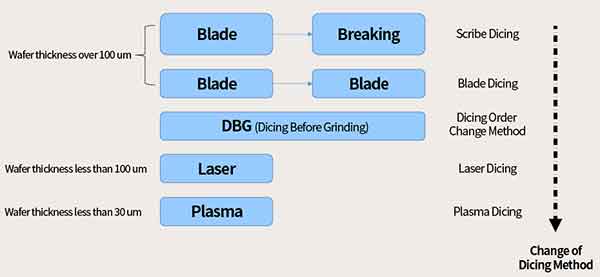
Researchers often request custom-sized silicon plates cut from larger silicon wafers. Available diameters typically include 1 inch, 2 inch, 3 inch, 4 inch, 6 inch, and 8 inch wafers, with custom dicing services available for specific dimensions.
Researcher Request:
Hi, I need 4 undoped silicon plates 20 mm × 20 mm or any similar size with a thickness of 1 mm or 2 mm and a surface roughness below 10 nm. Please let me know availability and pricing.
Reference #269947 for specifications and pricing.
Get Your Silicon or Sapphire Wafer Plate Quote FAST! Or, Buy Online and start researching today.
What Is a Wafer Plate?
A wafer plate is a flat semiconductor or ceramic substrate used for research, production, wafer handling, thermal processing, thin film deposition, and device fabrication. Wafer plates may be made from materials such as silicon, sapphire, silicon carbide, glass, quartz, or other advanced materials.
 In semiconductor research, wafer plates are often used as sample substrates, carrier plates, hotplate surfaces, or custom-cut pieces for testing. Researchers may require specific diameter, thickness, orientation, resistivity, polish, surface roughness, or material grade depending on the application.
Silicon Wafer Plates for Semiconductor Research
Silicon wafer plates are widely used in microelectronics, photovoltaics, MEMS, photolithography, thin film deposition, and semiconductor device fabrication. Silicon provides a smooth, flat, and high-purity surface that is compatible with many processing methods, including oxidation, doping, etching, coating, and cleaning.
Common silicon wafer plate specifications include:
- Custom diced pieces such as 10 mm, 15 mm, 20 mm, or 25 mm squares
- Single-side polished or double-side polished surfaces
- Undoped, p-type, or n-type silicon
- Prime, test, mechanical, or research grade wafers
- Thickness options such as 500 µm, 1 mm, or 2 mm
- Low surface roughness for optical, MEMS, and thin film applications
Sapphire Wafer Plates
Sapphire wafer plates, also known as Al2O3 wafer plates, are valued for their hardness, scratch resistance, chemical stability, and high-temperature performance. Sapphire plates are often used as carriers, optical substrates, insulating substrates, and durable research plates for semiconductor processing.
Sapphire plates can be used with materials such as gallium arsenide, indium phosphide, silicon, and other compound semiconductor materials.
Wafer Plate Materials
UniversityWafer, Inc. supports many wafer plate materials for laboratory and production use, including:
- Silicon wafer plates
- Sapphire wafer plates
- Silicon carbide wafer plates
- Fused silica plates
- Quartz wafer plates
- Glass wafer plates
Wafer Plates for Thin Film Deposition
Wafer plates are commonly used as substrates for thin film deposition, including oxide coatings, metal films, dielectric layers, and semiconductor materials. A smooth, clean, and dimensionally stable wafer plate helps improve film uniformity and surface quality.
Researchers may use wafer plates for sputtering, evaporation, chemical vapor deposition, atomic layer deposition, oxidation, and other coating processes. Material selection depends on thermal budget, chemical compatibility, surface roughness, and electrical requirements.
Wafer Plates for Photolithography and Baking
Silicon and ceramic wafer plates can also be used in photolithography workflows, including dehydration bake, soft bake, hard bake, and proximity baking. During wafer processing, controlled heating helps remove moisture, improve photoresist adhesion, and prepare the surface for patterning.
High-quality wafer plates help support consistent temperature control, reduced contamination, and stable handling during semiconductor fabrication.
CZ and Float Zone Silicon Wafer Plates
Silicon wafer plates are commonly manufactured from single-crystal silicon grown using the Czochralski (CZ) process or the Float Zone (FZ) process.
CZ silicon wafer plates are widely used for standard semiconductor and research applications, while Float Zone silicon wafer plates are preferred when high resistivity, low oxygen content, and excellent electrical performance are required.
Custom Wafer Plate Sizes
Researchers often need custom wafer plates instead of full wafers. UniversityWafer can support requests for small diced pieces, square plates, rectangular plates, and full-diameter wafers depending on material availability.
Common custom wafer plate requests include:
- 10 mm × 10 mm silicon plates
- 15 mm × 18 mm sapphire plates
- 20 mm × 20 mm undoped silicon plates
- 25 mm × 25 mm research substrates
- 1 inch, 2 inch, 3 inch, 4 inch, 6 inch, and 8 inch wafers
Choosing the Right Wafer Plate
The best wafer plate depends on the application. Silicon is preferred for semiconductor processing, MEMS, and electronics. Sapphire is preferred for high-temperature, optical, and chemically resistant applications. Silicon carbide is used for power electronics, high-temperature processing, and harsh environments. Glass, quartz, and fused silica are often selected for optical, microfluidic, and transparent substrate applications.
When requesting a wafer plate quote, include the material, size, thickness, polish, orientation, resistivity, surface roughness, quantity, and any processing requirements.