
“The thermal camera that will be used to image the quartz surface has a wavelength range of 7–14 microns. The coating we are looking for would be about 100 nm thick to reduce reflectivity and increase emissivity.”
Fused Silica Quartz Wafer Grades
UniversityWafer supplies high-purity fused silica quartz wafers and fused quartz windows in JGS1, JGS2, and JGS3 grades for semiconductor processing, laser optics, UV transmission, infrared applications, spectroscopy, and optical research.
Available fused silica thicknesses range from ultra-thin 50μm substrates to fused quartz windows thicker than 1,000μm. Custom diameters, DSP polishing, and optical-grade surface finishes are available upon request.
Get Your Fused Quartz Window Quote FAST! Or, Buy Online today!
Fused Silica Quartz Window Grades and Properties
Fused silica and fused quartz materials are selected based on wavelength transmission range, thermal stability, optical purity, and semiconductor compatibility. JGS1, JGS2, and JGS3 fused silica grades are commonly used for UV optics, IR transmission, laser systems, and high-temperature semiconductor applications.
JGS1 Fused Silica
JGS1 fused silica provides excellent ultraviolet and visible light transmission and is widely used for high-performance optical systems.
- Laser optics
- UV optical windows
- Precision lenses
- Optical prisms
- High-purity mirrors
- Photolithography systems
- Scientific instrumentation
JGS2 Fused Silica
JGS2 fused quartz is commonly used in semiconductor manufacturing and high-temperature optical applications because of its thermal stability and strong chemical resistance.
- Semiconductor processing
- Diffusion systems
- High-temperature optical windows
- Thermal processing chambers
- Semiconductor fabrication equipment
- Optical research systems
JGS3 Fused Silica
JGS3 fused silica is optimized for infrared transmission and thermal imaging applications requiring stable IR optical performance.
- Infrared substrates
- IR optical windows
- Thermal imaging systems
- Infrared spectroscopy
- IR laser systems
- Optical sensor applications
Advantages of Fused Quartz Windows
- Excellent UV and IR transmission
- High thermal shock resistance
- Low thermal expansion coefficient
- Excellent chemical resistance
- High optical purity
- Low impurity concentration
- Strong electrical insulation properties
- Excellent semiconductor compatibility
Common Fused Silica Applications
- Semiconductor manufacturing
- Laser optics
- FTIR spectroscopy
- Photonics research
- Optical communication systems
- Scientific instrumentation
- Thermal imaging
- UV lithography
- High-temperature laboratory systems
Fused Silica Quartz Wafers Inventory: JGS1, JGS2 and JGS3
UniversityWafer supplies fused quartz windows and fused silica wafers in JGS1, JGS2, and JGS3 grades for semiconductor processing, UV optics, infrared applications, laser systems, spectroscopy, and optical research.
Available thicknesses range from ultra-thin 50μm fused silica wafers to substrates thicker than 1,000μm.
Below are examples of fused quartz windows currently in stock. Custom diameters, thicknesses, and polish specifications are also available.
| Item | Dia | Thk | Pol |
|---|---|---|---|
| 2467 | 10mm Sq | 500μm | DSP |
| 1951 | 50.8mm | 100μm | DSP |
| 2337 | 76.2mm | 50μm | DSP |
| 518 | 100mm | 500μm | DSP |
| 1943 | 100mm | 1,000μm | DSP |
| 2090 | 150mm | 500μm | DSP |
Strain Point of Fused Silica
The strain point of fused silica is approximately 983°C, making fused quartz highly resistant to thermal deformation and thermal shock. This property is important for semiconductor processing, optical fabrication, UV systems, and high-temperature laboratory applications.
Infrared Compatible Fused Quartz Windows
Fused quartz windows are frequently used in infrared imaging systems, thermal cameras, optical sensors, and IR spectroscopy because of their optical transmission properties and thermal stability.
A research client requested fused quartz substrates compatible with thermal imaging in the 7–14 micron wavelength range.
UniversityWafer recommended:
- Fused quartz sheets
- Low surface roughness DSP polish
- Thin optical-grade fused silica
- Infrared-compatible quartz substrates
- Custom anti-reflective coating compatibility
The following specifications were quoted:
1. Fused quartz sheet
200 mm × 50 mm × 0.3 mm
2. Fused quartz sheet
200 mm × 50 mm × 1 mm
What is Flame-Fused Quartz?
Flame-fused quartz is manufactured by heating high-purity quartz using an oxy-hydrogen flame until the material melts and forms fused silica glass.
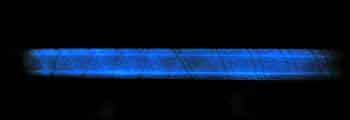
Fused quartz exhibits:
- Excellent thermal shock resistance
- Low thermal expansion
- High optical transmission
- Strong UV and IR compatibility
- High chemical resistance
- Excellent electrical insulation
Because of these properties, fused silica is widely used in:
- Semiconductor fabrication
- Laser optics
- Optical communication systems
- Photolithography
- Thermal imaging systems
- UV optical windows
- IR spectroscopy
- Scientific instrumentation
HSQ 351 Flame-Fused Quartz
HSQ 351 flame-fused quartz is a high-purity fused silica material used in semiconductor processing, diffusion systems, optical components, and high-temperature applications.
The flame-fusion manufacturing process produces:
- Ultra-low thermal expansion
- High refractive index uniformity
- Excellent surface hardness
- Low impurity concentration
- Strong chemical resistance
HSQ 351 fused quartz is commonly used for:
- Diffusion barriers
- Semiconductor dopant systems
- Optical communication components
- UV optics
- High-purity laboratory equipment
Ohara Synthetic Fused Silica
Ohara synthetic fused silica is manufactured using axial vapor phase deposition to produce highly pure optical-grade silica with excellent thermal stability and transmission properties.
Compared to standard fused quartz, synthetic fused silica offers:
- Improved UV transmission
- Lower metallic impurity concentration
- Excellent refractive index homogeneity
- Improved laser compatibility
- Reduced optical defects
These materials are widely used in:
- Laser optics
- Photonic systems
- Semiconductor lithography
- Precision optical components
- Advanced electronics
Natural Quartz vs Synthetic Fused Silica
Natural quartz and synthetic fused silica differ in impurity concentration, optical transmission, hydroxyl content, and UV transparency.
Synthetic fused silica generally provides:
- Higher purity
- Better UV transmission
- Lower metallic contamination
- Improved optical uniformity
- Reduced absorption bands
Fused quartz also has an extremely low coefficient of thermal expansion compared to traditional glass materials, making it ideal for critical optical systems, semiconductor manufacturing, and thermal processing applications.
Video: Fusing Window to Quartz