
Thermal oxide deposition is one of the most critical processes in modern semiconductor manufacturing and research. This technique creates high-quality silicon dioxide (SiO₂) layers directly from the silicon substrate itself, resulting in exceptionally pure interfaces that are essential for countless electronic devices. The process involves exposing silicon wafers to high-temperature environments with oxidizing atmospheres, transforming the surface silicon atoms into a uniform, high-quality dielectric layer that serves multiple functions in microelectronics, MEMS devices, and photonic applications.
Key Takeaways About Thermal Oxide Deposition
- Thermal oxidation creates high-quality SiO₂ layers on silicon wafers at temperatures between 800-1200°C, with the silicon substrate itself being consumed during the process
- Two primary methods: dry oxidation (using O₂) produces higher quality but slower growth (1-5nm/hour), while wet oxidation (using H₂O) offers faster growth (10-50nm/hour) but slightly lower quality
- Oxide thicknesses range from ultra-thin (10nm) to very thick (over 10 microns) depending on application requirements, with thickness uniformity typically controlled to better than ±2%
- Thermal oxide provides superior electrical properties compared to deposited oxides, with higher density (2.2-2.3g/cm³), fewer defects, and breakdown strengths of 8-10 MV/cm
- Applications include gate dielectrics in transistors, device isolation, masking layers for selective processing, surface passivation, and electrical insulation
- Advanced techniques like high-pressure oxidation, rapid thermal processing, and chlorinated oxidation can enhance growth rates, quality, and reliability
- University Wafer offers custom thermal oxide services with precise thickness control from 10nm to 10μm for research and production needs
Get Your Quote FAST! Buy Online and Start Researching Today!
Introduction to Thermal Oxide Deposition
Thermal oxide deposition is one of the most important processes in semiconductor manufacturing, serving as a cornerstone technology that enables the fabrication of virtually all modern electronic devices. When silicon wafers are exposed to high temperatures in the presence of oxygen or water vapor, a layer of silicon dioxide (SiO₂) forms on the surface through a chemical conversion process. Unlike other deposition methods that simply place material on top of a substrate, thermal oxidation actually converts part of the silicon wafer itself into oxide, creating an extremely high-quality interface between the silicon and oxide layer with atomically smooth transitions and minimal defect density.
This process is fundamental to modern electronics, enabling everything from the tiny transistors in your smartphone to sophisticated sensors in medical devices. The quality of the oxide layer directly affects how well these devices work and how long they last, influencing parameters such as power consumption, switching speed, reliability, and overall performance. Thermal oxide deposition techniques have been refined over decades of semiconductor manufacturing, making them reliable and well-understood, with extensive theoretical models that allow precise prediction and control of oxide growth characteristics.
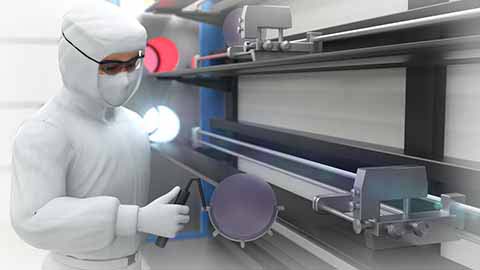
The thickness and quality of thermal oxide layers can be precisely controlled through careful manipulation of temperature, time, atmosphere composition, and pressure. This level of control allows engineers to create oxides as thin as a few nanometers for advanced transistor gate dielectrics, or as thick as several micrometers for electrical isolation. The versatility of thermal oxidation makes it suitable for a wide range of applications, from creating gate dielectrics in transistors to providing electrical isolation between different parts of a chip, with each application having specific requirements for thickness, uniformity, and electrical properties that can be tailored through process optimization.
Fundamentals of Thermal Oxidation
At its core, thermal oxidation is a chemical reaction between silicon and an oxidizing species that occurs at elevated temperatures. When silicon is heated to high temperatures (typically 800-1200°C) in the presence of oxygen or water vapor, the oxidant diffuses through any existing oxide layer to reach the silicon surface, where it reacts to form silicon dioxide. This reaction continues as long as oxidant molecules can reach the silicon-oxide interface, with the growth rate gradually slowing as the oxide layer thickens and the diffusion path for oxidant molecules becomes longer.
The chemical reactions that govern thermal oxidation are relatively simple in their basic form. For dry oxidation using oxygen gas, the reaction is: Si + O₂ → SiO₂, which releases approximately 7.36 eV of energy per silicon atom oxidized. For wet oxidation using water vapor, the reaction is: Si + 2H₂O → SiO₂ + 2H₂, which proceeds more rapidly due to the smaller molecular size and higher diffusivity of water molecules compared to oxygen. While these reactions look straightforward, the actual process involves complex diffusion mechanisms, interfacial reactions, and structural rearrangements that determine how quickly the oxide grows and how thick it can become under specific conditions.
The Deal-Grove Model
The most widely used mathematical model for thermal oxidation is the Deal-Grove model, developed in 1965 by Bruce Deal and Andrew Grove at Fairchild Semiconductor. This model describes oxide growth as a three-step process:
- Transport of oxidant to the oxide surface from the bulk gas phase
- Diffusion of oxidant through the existing oxide layer to reach the silicon interface
- Reaction at the silicon-oxide interface to form new SiO₂ molecules
The model predicts that for thin oxides, growth rate is limited by the reaction rate at the interface (linear growth regime), while for thicker oxides, growth is limited by diffusion through the oxide (parabolic growth regime). The mathematical expression combines both regimes: x² + Ax = B(t + τ), where x is oxide thickness, t is time, and A, B, and τ are process-dependent parameters.
One important characteristic of thermal oxidation is that it consumes part of the silicon wafer as it proceeds. For every 46 nm of silicon consumed, approximately 100 nm of silicon dioxide is produced. This means that about 46% of the oxide grows into the wafer, and 54% grows outward from the original surface. This volume expansion and the corresponding consumption of silicon must be carefully managed and accounted for during device design, especially in complex device structures with precise dimensional requirements or in processes where the silicon thickness is critical, such as in silicon-on-insulator (SOI) substrates.
The thermal oxide growth calculator is an essential tool for predicting oxide thickness based on temperature, time, and oxidation method. These calculators incorporate the Deal-Grove model and other refinements to provide accurate estimates for process planning. Advanced versions also account for crystal orientation effects, dopant concentration influences, and pressure variations, allowing engineers to precisely plan oxidation processes for specific applications with minimal experimental iterations. This predictability is one of the key advantages of thermal oxidation compared to other deposition methods.
Dry vs. Wet Thermal Oxidation Techniques
The two main techniques for thermal oxide deposition are dry oxidation and wet oxidation. Each has distinct characteristics that make it suitable for different applications in semiconductor fabrication, with important tradeoffs between growth rate, quality, and process complexity that must be considered when selecting the appropriate method for a specific application.
Dry Oxidation Process
Dry oxidation uses pure oxygen gas (O₂) as the oxidizing species. The silicon wafers are heated in a furnace with a carefully controlled flow of high-purity oxygen passing over them at atmospheric or slightly elevated pressure. This method is characterized by slower growth rates but produces oxide films with superior quality and electrical properties, making it the preferred choice for critical applications where oxide integrity is paramount.
The advantages of dry oxidation include higher density oxide films (approximately 2.2-2.3 g/cm³), significantly fewer impurities and structural defects, better electrical properties including higher breakdown voltage and lower leakage current, and superior interface quality with the silicon substrate. The oxide layers formed through dry oxidation have excellent dielectric strength (typically 8-10 MV/cm) and low leakage current (often <10⁻⁸ A/cm² at operating fields), making them ideal for critical applications like gate oxides in transistors where reliability and performance directly depend on oxide quality.
Dry oxidation is typically performed at temperatures between 900°C and 1200°C, with the specific temperature selected based on the desired growth rate, quality requirements, and thermal budget constraints of the overall process flow. At these temperatures, the growth rate is slow enough to allow precise control of very thin oxide layers, which is essential for advanced semiconductor devices. For example, growing a 10nm oxide layer might take about 20-30 minutes at 1000°C, while a 100nm layer might require 5-10 hours under the same conditions. This slow growth rate allows for excellent thickness uniformity across the wafer, typically better than ±1% for well-optimized processes.
Due to its superior quality but slower growth rate, dry thermal oxidation is primarily used for thin oxide layers (less than 100nm) where quality and precision are critical, such as gate oxides in MOS devices, tunnel oxides in non-volatile memory, and capacitor dielectrics in analog circuits. The exceptional interface quality is particularly important for these applications, as interface defects can significantly impact device performance, reliability, and lifetime.
Wet Oxidation Process
Wet oxidation uses water vapor (H₂O) as the oxidizing species. This is typically achieved by bubbling oxygen through heated deionized water (typically 85-95°C) to create saturated water vapor, or by directly injecting steam into the oxidation furnace through specialized delivery systems. Wet oxidation is characterized by much faster growth rates compared to dry oxidation, making it the method of choice when thicker oxide layers are required.
The main advantage of wet oxidation is its significantly higher efficiency in growing thicker oxide layers. Under the same temperature conditions, wet oxidation can grow oxide 5-10 times faster than dry oxidation due to the higher diffusivity of water molecules through the existing oxide layer. This makes it the preferred method for applications requiring thick oxide layers, such as field isolation regions, masking layers for subsequent processing steps, or thick dielectric layers for power devices and high-voltage applications.
However, wet oxidation produces oxide films with slightly lower density (approximately 2.18-2.2 g/cm³) and more impurities compared to dry oxidation. The Si-SiO₂ interface also tends to have more defects and interface states, which can affect electrical performance in sensitive applications. The breakdown field strength is typically lower (7-8 MV/cm vs. 8-10 MV/cm for dry oxide), and leakage currents are generally higher. These quality differences are acceptable for many applications but can be problematic for critical device structures where electrical performance is paramount.
When to Choose Wet vs. Dry Oxidation
As a general rule of thumb for process selection:
- Use dry oxidation when you need thin, high-quality oxides with excellent electrical properties (typically <100nm) for critical device components like transistor gates or tunnel dielectrics
- Use wet oxidation when you need thicker oxide layers and growth time efficiency is important (typically >100nm) for applications like device isolation or masking layers
- Some processes use a combination approach: starting with dry oxidation to form a high-quality interface layer (20-30nm), then switching to wet oxidation for faster bulk growth, and finally finishing with a short dry oxidation or annealing step to improve the surface properties
Wet oxidation is typically performed at temperatures between 800°C and 1100°C, with 950-1000°C being most common for production processes. At 1000°C, wet oxidation can grow a 500nm oxide layer in about 1 hour, compared to 10+ hours for dry oxidation to achieve the same thickness. This dramatic difference in process time makes wet oxidation the economically preferable choice for thick oxides, despite the slightly lower quality, as it significantly improves equipment utilization and throughput.
The choice between wet and dry oxidation depends on the specific requirements of the application, including thickness needs, quality requirements, and process time constraints. 300nm thermal oxide layers can be grown using either method, though wet oxidation would be more time-efficient for this thickness range. Many commercial processes use a hybrid approach, with initial dry oxidation to form a high-quality interface layer followed by wet oxidation for bulk growth.
Advanced Thermal Oxidation Techniques
Beyond the standard dry and wet oxidation methods, several advanced techniques have been developed to enhance the thermal oxidation process, offering improved growth rates, lower thermal budgets, or specialized oxide properties. These advanced methods address specific limitations of conventional oxidation processes and enable new capabilities for specialized applications in semiconductor manufacturing and research.
High-Pressure Oxidation
High-pressure oxidation (HiPOx) is a technique that increases the oxidation rate by performing the process at elevated pressures, typically 5-25 atmospheres, compared to the atmospheric pressure used in conventional oxidation. The increased pressure enhances the solubility and diffusivity of the oxidant in the growing oxide layer, dramatically accelerating the growth rate without requiring higher temperatures that might cause unwanted dopant diffusion or wafer warpage.
The main advantages of high-pressure oxidation include significantly faster oxide growth rates (proportional to the pressure for wet oxidation) and the ability to perform oxidation at lower temperatures while maintaining reasonable growth rates. This reduced thermal budget is particularly valuable for preventing unwanted dopant diffusion in already-doped wafers, minimizing stress-induced defects, and allowing oxidation to be performed later in the process sequence when thermal constraints are more stringent.
For example, at 10 atmospheres of pressure, the oxidation rate can be increased by approximately 10 times compared to atmospheric pressure for wet oxidation (the enhancement is less dramatic for dry oxidation). This means that a 1-micron thick oxide layer that might take 10 hours to grow at atmospheric pressure could be grown in just 1 hour under high pressure, significantly improving equipment utilization and process throughput. Alternatively, the same growth rate achieved at 1000°C under atmospheric pressure could be achieved at approximately 850°C under 10 atmospheres, reducing the thermal budget substantially.
High-pressure oxidation is particularly valuable for growing very thick oxide layers (>1μm) efficiently, making it useful for power device manufacturing, deep trench isolation structures, and specialized MEMS applications where thick dielectric layers are required. The specialized equipment required for high-pressure oxidation includes pressure vessels capable of safely containing the elevated pressures at high temperatures, sophisticated pressure control systems, and safety mechanisms to prevent hazardous situations.
Rapid Thermal Oxidation (RTO)
Rapid Thermal Oxidation (RTO) uses high-intensity lamps or other heating methods to rapidly heat the wafer to oxidation temperatures for short durations, typically seconds to minutes. Unlike conventional furnace oxidation, which heats wafers slowly over 30-60 minutes to avoid thermal shock, RTO can reach process temperatures in seconds, allowing for extremely precise control of the thermal cycle and minimizing the total thermal exposure of the wafer.
The key advantages of RTO include minimal thermal budget (critical for advanced processes with multiple high-temperature steps), precise thickness control for ultra-thin oxides down to 1-2nm, excellent uniformity due to the short process time that minimizes temperature gradients, and reduced processing time that improves throughput. By minimizing the time at high temperature, RTO reduces unwanted dopant diffusion and thermal stress in the wafer, preserving the carefully engineered dopant profiles in underlying device structures.
RTO is primarily used for growing very thin oxides (5-50nm) with precise thickness control, making it ideal for gate oxides in advanced CMOS processes, tunnel oxides in flash memory, and other applications requiring exceptionally thin, high-quality dielectric layers. The rapid heating and cooling also minimize the formation of crystal defects and reduce wafer warpage, which is particularly important for large-diameter wafers (200mm and 300mm) that are more susceptible to thermal stress.
RTO vs. Conventional Furnace Oxidation
Key differences between RTO and conventional furnace oxidation that influence process selection:
- Heating rate: RTO heats at 50-100°C/second vs. 5-10°C/minute for furnaces, reducing overall thermal exposure
- Process time: RTO processes typically last seconds to minutes vs. hours for furnaces, improving throughput
- Wafer handling: RTO processes one wafer at a time vs. batch processing in furnaces (25-100 wafers), offering different economic tradeoffs
- Temperature uniformity: RTO may have more temperature variation across the wafer but less variation between wafers in a batch
- Applications: RTO is best for ultra-thin oxides (1-50nm), while furnaces handle a wider thickness range and are more economical for thicker films
- Equipment cost: RTO tools typically have higher per-wafer processing costs but offer greater flexibility and process control
The University Wafer offers both conventional furnace oxidation and RTO services to meet different customer requirements for oxide thickness, uniformity, and quality. This flexibility allows researchers and device engineers to select the most appropriate process for their specific application, whether they need ultra-thin gate oxides with precise thickness control or thicker isolation layers with excellent uniformity across large batches.
Pyrogenic Oxidation
Pyrogenic oxidation generates water vapor in-situ by combusting hydrogen and oxygen gases directly in the oxidation chamber or in a specialized torch at the chamber inlet. This technique offers several advantages over traditional wet oxidation, which typically uses external steam sources or bubbler systems that can introduce contaminants and suffer from condensation issues in the gas delivery lines.
The benefits of pyrogenic oxidation include better control over moisture content and oxidation rate, reduced contamination risk since only high-purity gases enter the system, improved uniformity due to more consistent water vapor generation, and the flexibility to adjust the H₂/O₂ ratio for optimized growth conditions. By generating the water vapor directly in the chamber, issues related to condensation in gas lines, temperature gradients, and water purity are minimized, resulting in more consistent and reliable oxide growth.
Pyrogenic oxidation combines many of the advantages of wet oxidation (fast growth rate) with improved process control and cleanliness. It's commonly used in production environments for growing medium to thick oxides with high reliability and reproducibility. The precise control over the H₂/O₂ ratio also allows fine-tuning of the oxidation rate and oxide properties, offering an additional degree of process optimization not available with conventional wet oxidation using external steam sources.
Factors Affecting Thermal Oxide Quality
The quality of thermally grown oxide layers depends on numerous factors, from the properties of the starting silicon substrate to the specific process conditions used during oxidation. Understanding these factors is crucial for optimizing oxide quality for specific applications and ensuring consistent, reproducible results in both research and production environments.
Silicon Substrate Properties
The properties of the silicon substrate significantly impact the quality and characteristics of the thermal oxide layer. Several key factors that must be considered when selecting substrates for thermal oxidation include crystallographic orientation, dopant type and concentration, and surface preparation methods.
Crystal Orientation: Different crystal planes oxidize at different rates due to variations in atomic density and bond configuration. Silicon wafers with (111) crystal orientation oxidize approximately 1.7 times faster than (100) oriented silicon wafers under the same conditions. This difference is due to the varying density of silicon atoms available for reaction on different crystal planes – the (111) plane has a higher density of surface atoms compared to the (100) plane. However, (100) wafers are often preferred for MOS devices because they produce electrically cleaner oxide interfaces with fewer interface states and fixed charges despite their slower oxidation rate. This trade-off between growth rate and electrical quality must be considered when selecting substrate orientation.
Dopant Concentration: Heavily doped silicon (>10¹⁹ cm⁻³) oxidizes faster than lightly doped material, with the effect being more pronounced for p-type (boron) doping than n-type (phosphorus or arsenic) doping. This effect is particularly significant for boron-doped silicon, where the boron can segregate at the Si/SiO₂ interface and enhance the oxidation rate by as much as 30% for very heavy doping. Additionally, dopants can affect the electrical properties of the oxide, with some dopants creating interface states or fixed charges that impact device performance. For example, heavily boron-doped substrates can lead to negative fixed charges in the oxide, while phosphorus doping tends to create positive fixed charges.
Surface Preparation: The cleanliness and condition of the silicon surface before oxidation is critical for achieving high-quality oxide layers. Surface contaminants, native oxide, and micro-roughness can all impact oxide nucleation and growth, potentially leading to non-uniform oxide thickness or defects that compromise electrical performance. Proper cleaning procedures, such as the industry-standard RCA clean (developed at RCA Laboratories in the 1960s), are essential for high-quality oxide formation. These cleaning sequences remove organic contaminants, metallic impurities, and native oxide, creating an ideal surface for controlled oxidation.
At University Wafer, careful attention is paid to substrate selection and preparation to ensure optimal oxidation results. A wide range of silicon substrates with various crystal orientations, dopant types, and concentrations are available to meet specific oxidation requirements, with detailed specifications provided to help customers select the most appropriate starting material for their particular application.
Process Atmosphere Control
The purity and composition of the oxidizing atmosphere directly impact oxide quality and electrical properties. Controlling the process atmosphere is essential for achieving reproducible, high-quality oxide layers with the desired characteristics for specific applications.
Oxidant Purity: Contaminants in the oxygen or water vapor source can become incorporated into the growing oxide, degrading electrical properties and reliability. Ultra-high-purity gases (99.9999% or "6N" purity) are typically used in high-quality oxide growth to minimize impurities. Even trace contaminants like carbon, metals, or chlorine at parts-per-billion levels can significantly impact oxide quality, particularly for thin oxides used in critical applications like transistor gates. Modern oxidation systems incorporate sophisticated gas purification systems, point-of-use filters, and specialized gas delivery components to maintain exceptional purity throughout the process.
Chlorinated Oxidation: Adding small amounts of chlorine-containing compounds (HCl, TCA, TCE) to the oxidation atmosphere can significantly improve oxide quality through several mechanisms. Chlorine acts as a "getter" for metallic contaminants by forming volatile metal chlorides that are carried away in the gas flow, effectively cleaning both the silicon surface and the growing oxide. It also neutralizes alkali metal ions (Na⁺, K⁺) that can degrade oxide reliability by causing threshold voltage instability, reduces fixed oxide charges and interface states by improving the Si/SiO₂ interface structure, and improves breakdown characteristics by reducing defect density. Typical chlorine additions range from 1-5% of the total gas flow.
Atmosphere Optimization Tips
For the highest quality oxides, consider these atmosphere optimization strategies:
- Use point-of-use gas purifiers to remove trace contaminants immediately before the gas enters the oxidation chamber
- Add 1-3% HCl during oxidation to getter metallic impurities and improve electrical properties
- Perform a pre-oxidation high-temperature (1000°C+) hydrogen bake to remove surface contaminants and reduce native oxide
- Introduce a light nitrogen anneal after oxidation to strengthen the Si/SiO₂ interface and improve reliability
- Maintain positive pressure in the oxidation chamber to prevent ambient air infiltration
- Use specialized gas delivery systems with electropolished stainless steel components to minimize contamination
Nitrogen Incorporation: Small amounts of nitrogen at the Si/SiO₂ interface can improve reliability by reducing hot carrier effects and boron penetration in advanced devices. This can be achieved through nitridation processes using NO, N₂O, or NH₃, or by adding these gases to the oxidation atmosphere in small quantities. Nitrogen strengthens the Si-O bonds at the interface, making them more resistant to damage during device operation and subsequent processing. The amount of nitrogen incorporation must be carefully controlled, as excessive nitrogen can increase interface state density and degrade carrier mobility in the channel region of MOS transistors.
The thermal oxide deposition services at University Wafer include options for both standard and chlorinated oxidation to meet different quality requirements, with detailed process documentation provided to ensure transparency and reproducibility for research and development applications.
Temperature Ramp Profiles
The temperature profile during oxidation significantly impacts oxide quality, with improper thermal cycling potentially introducing defects, stress, and non-uniformities that compromise performance. Several key aspects of temperature management must be carefully controlled to achieve optimal results.
Ramp Rates: Rapid temperature changes can induce thermal stress in the silicon wafer, potentially leading to wafer warpage, slip dislocations, and other crystallographic defects that propagate into the oxide layer. Typical ramp rates for conventional furnaces are limited to 5-10°C/minute during heating and 3-8°C/minute during cooling to minimize these effects. The thermal expansion mismatch between silicon and silicon dioxide (approximately 2.6×10⁻⁶/°C for Si vs. 0.5×10⁻⁶/°C for SiO₂) makes controlled heating and cooling essential for maintaining wafer flatness and preventing defects, particularly for larger diameter wafers that experience greater absolute expansion differences from center to edge.
Annealing Steps: Post-oxidation annealing in inert atmospheres (N₂, Ar) can significantly improve oxide quality through several mechanisms. These annealing steps reduce fixed oxide charges by allowing structural relaxation and charge neutralization, heal oxide defects through atomic rearrangement at high temperature, improve interface quality by reducing dangling bonds and interface states, and relieve mechanical stress that could otherwise lead to reliability issues. A common approach is to perform a 30-minute anneal in nitrogen after oxidation is complete but before cooling down, transitioning directly from the oxidizing atmosphere to nitrogen without a temperature change.
Cool-Down Protocol: Controlled cooling is essential to prevent thermal shock, condensation issues, and oxide stress. Typical cool-down rates are similar to ramp-up rates (5-10°C/minute) or slightly slower to minimize stress development. Rapid cooling can introduce stress and defects in the oxide layer, potentially leading to microcracks, delamination at interfaces, or increased leakage current. Conversely, too slow cooling might allow unwanted reactions or contamination to occur as the wafer passes through intermediate temperature ranges. Modern oxidation furnaces incorporate sophisticated temperature control systems that can maintain precise temperature profiles throughout the entire process cycle.
The thermal oxidation services at University Wafer utilize optimized temperature profiles tailored to each specific application, ensuring the highest quality oxides with minimal stress and defects. These profiles are developed based on extensive experience and ongoing process optimization, with continuous monitoring and control systems to ensure consistency and reproducibility across multiple runs.
Applications of Thermal Oxide Films
Thermal oxide films serve numerous critical functions in various applications, from traditional microelectronics to cutting-edge MEMS devices and photonic systems. The exceptional quality, precise thickness control, and excellent electrical properties of thermal oxides make them indispensable in a wide range of advanced technologies.
Microelectronics Applications
Thermal oxide plays numerous critical roles in microelectronic devices, serving as both active components and enabling structures in integrated circuits:
Gate Dielectrics: Perhaps the most critical application of thermal oxide is as the insulating layer between the gate electrode and channel in MOS transistors. The exceptional interface quality and low defect density of thermal oxides are crucial for high-performance devices, directly impacting key parameters like threshold voltage, subthreshold swing, and transconductance. The electrical properties of this oxide directly impact transistor threshold voltage stability, carrier mobility in the channel, reliability under electrical stress, and long-term performance. While advanced nodes have transitioned to high-k dielectrics for the main gate insulator, many processes still use a thin thermal oxide as an interfacial layer to maintain the excellent Si/SiO₂ interface quality.
Field Oxides: Thicker thermal oxides (300-1000nm) provide electrical isolation between adjacent devices on an integrated circuit, preventing parasitic interactions that would compromise circuit performance. These isolation structures prevent leakage currents and parasitic effects that would otherwise cause devices to interfere with each other, leading to cross-talk, latch-up, or other circuit malfunctions. Field oxides are typically grown using wet oxidation due to the thickness requirements, often in conjunction with processes like LOCOS (Local Oxidation of Silicon) or modified isolation schemes that use thermal oxidation as a key step.
Capacitor Dielectrics: Thermal oxides serve as the dielectric in MOS capacitors, with the capacitance directly related to the oxide thickness and quality according to the relationship C = ε₀εᵣA/d. The high breakdown strength (8-10 MV/cm) and low leakage current of thermal oxides make them excellent capacitor dielectrics for analog and mixed-signal circuits, where capacitor matching and stability directly impact circuit performance. Precision capacitors for applications like analog-to-digital converters, sample-and-hold circuits, and filters rely on the excellent thickness control and uniformity of thermal oxides.
Diffusion Barriers: Thermal oxides serve as masks against dopant diffusion during subsequent high-temperature processing steps, allowing selective doping of specific regions while protecting others. Different dopants have varying abilities to penetrate SiO₂, allowing selective doping patterns based on oxide thickness and dopant species. For example, common n-type dopants like phosphorus and arsenic diffuse very slowly through SiO₂, making it an effective mask against these dopants, while boron diffuses more readily and may require thicker oxides or alternative masking materials for complete blocking.
Surface Passivation: Thermal oxide passivates the silicon surface, reducing surface recombination velocity by more than two orders of magnitude compared to bare silicon. This reduction in surface recombination and leakage currents is particularly important in power devices and photodetectors, where surface effects can significantly impact performance and efficiency. The high-quality Si/SiO₂ interface created by thermal oxidation has a low density of interface states (typically <5×10¹⁰ cm⁻² eV⁻¹ for well-optimized processes), minimizing recombination centers that would otherwise degrade device performance.
Our 300nm thermal oxide wafers are specifically designed for microelectronics applications requiring precise thickness control and excellent electrical properties, with comprehensive characterization data provided to ensure suitability for specific device requirements.
MEMS and Sensor Applications
Thermal oxides serve multiple functions in MEMS (Micro-Electro-Mechanical Systems) and sensor fabrication, enabling complex three-dimensional structures and providing both mechanical and electrical functionality:
Sacrificial Layers: Thermal oxides can be selectively etched using hydrofluoric acid (HF) to create suspended structures, cavities, and moving parts in MEMS devices. The high selectivity of oxide etching relative to silicon (often >1000:1) makes this possible with exceptional precision and control. For example, hydrofluoric acid (HF) can etch silicon dioxide at rates >1000 times faster than silicon, allowing precise control of release processes without damaging the structural silicon elements. This selective etching capability enables the fabrication of complex structures like accelerometers, gyroscopes, and resonators with precisely defined mechanical properties.
Electrical Isolation: Thermal oxides provide excellent electrical isolation between different conductive elements in sensors and actuators, with volume resistivity exceeding 10¹⁶ Ω·cm and breakdown fields of 8-10 MV/cm. This isolation is critical for preventing cross-talk and parasitic effects that could compromise sensor performance, particularly in applications with both sensing and actuation elements on the same device. The high dielectric strength also allows for operation at elevated voltages, which is important for electrostatic actuators and high-sensitivity capacitive sensors.
Application Example: Pressure Sensors
In silicon pressure sensors, thermal oxide layers serve multiple functions throughout the fabrication process:
- Define the diaphragm dimensions through selective etching, with the oxide acting as both a mask during silicon etching and a sacrificial layer
- Provide electrical isolation for piezoresistive elements that convert mechanical strain to electrical signals
- Serve as a protective passivation layer that prevents environmental contamination and moisture ingress
- Act as a stress buffer between silicon and deposited layers like metals or additional dielectrics
- Create precisely defined cavities with controlled dimensions for absolute pressure reference chambers
- Form part of the capacitive sensing structure in capacitive pressure sensors
The precise thickness control and excellent uniformity of thermal oxides are crucial for ensuring consistent sensor performance across different devices and manufacturing batches.
Optical Coatings: Thermal oxides with precisely controlled thicknesses can serve as anti-reflection coatings or interference filters in optical MEMS and sensors. By controlling the oxide thickness to specific fractions of the wavelength of light (typically λ/4 for anti-reflection coatings), reflectance can be minimized or tailored for specific wavelengths. This capability is particularly valuable in photodetectors, image sensors, and optical MEMS devices where light management is critical for performance. The refractive index of thermal SiO₂ (approximately 1.46) creates useful contrast with silicon (n≈3.5) and common coating materials.
Etch Masks: Thick thermal oxides can withstand aggressive silicon etching processes such as DRIE (Deep Reactive Ion Etching), enabling high-aspect-ratio structures for MEMS applications. The high selectivity between silicon and silicon dioxide allows for deep etching of silicon while maintaining precise lateral dimensions defined by the oxide mask. This capability is essential for creating structures like through-silicon vias, deep trenches for capacitive sensors, and high-aspect-ratio mechanical elements with vertical sidewalls.
At University Wafer, we provide thermal oxide films with precise thickness control for MEMS applications, with thickness uniformities better than ±2% across the wafer. Our process capabilities include both thin and thick oxides, with specialized recipes developed for MEMS-specific requirements like stress control and enhanced etch resistance.
Photonics and Optoelectronics
Thermal oxide films play important roles in photonic and optoelectronic devices, leveraging their excellent optical properties and precise thickness control:
Waveguides: The high refractive index contrast between silicon (n≈3.5) and SiO₂ (n≈1.46) enables efficient optical waveguiding structures for integrated photonics. This substantial contrast allows for tight confinement of light and small bending radii, enabling compact photonic circuits with high component density. Silicon-on-insulator (SOI) waveguides typically use thermal oxide as the lower cladding layer, providing low optical loss (typically <0.1 dB/cm) and excellent interface quality that minimizes scattering. The thickness of this oxide layer directly impacts the waveguide mode profile and propagation characteristics.
Optical Filters: Precisely controlled oxide thicknesses can create interference filters for specific wavelengths, useful in sensors and spectrometers. By controlling the oxide thickness to specific fractions of the wavelength of light, transmission and reflection characteristics can be engineered for particular applications. Multiple oxide layers with different thicknesses can be combined to create more complex filter functions, such as band-pass or notch filters, enabling wavelength-selective detection or emission in integrated photonic systems.
Anti-Reflection Coatings: Quarter-wavelength thermal oxide layers reduce reflection losses in photodetectors and solar cells, improving quantum efficiency and responsivity. By tuning the oxide thickness to λ/4n (where λ is the wavelength and n is the refractive index), reflections can be minimized at specific wavelengths, improving device efficiency. For silicon photodetectors, a thermal oxide thickness of approximately 100nm provides good anti-reflection properties in the visible spectrum, increasing the amount of light reaching the active region. Multiple layers with different thicknesses can be used to create broadband anti-reflection coatings for applications requiring response across a wide wavelength range.
Optical MEMS: Thermal oxides enable movable mirrors, tunable filters, and other optical MEMS devices through their electrical and mechanical properties. The ability to precisely control oxide thickness and selectively remove it allows for the creation of complex optical structures with moving parts, such as tunable Fabry-Perot interferometers, scanning mirrors, and optical switches. The mechanical properties of thermal oxide, including its high stiffness and excellent dimensional stability, make it suitable for creating precise optical components that maintain their characteristics over time and environmental conditions.
At University Wafer, we provide thermal oxide films with precise thickness control for photonic applications, with thickness uniformities better than ±2% across the wafer. Our specialized processes can achieve thickness control to within ±1nm for critical optical applications, with comprehensive characterization data provided to ensure suitability for specific optical requirements.
Characterization and Quality Control of Thermal Oxides
Ensuring the quality and consistency of thermal oxide layers requires sophisticated characterization techniques and rigorous quality control processes. These measurements not only verify that the oxide meets specifications but also provide insights into process optimization and troubleshooting.
Thickness Measurement Techniques
Accurate thickness measurement is essential for process control and device performance, with several complementary techniques commonly used to provide comprehensive characterization:
Ellipsometry: This non-destructive optical technique measures the change in polarization state of light reflected from the oxide surface, providing thickness information through analysis of the amplitude ratio and phase difference between p- and s-polarized light components. Modern spectroscopic ellipsometers can measure oxide thicknesses from <1nm to several microns with sub-nanometer precision and excellent repeatability. Ellipsometry is the most widely used technique for oxide thickness measurement due to its combination of accuracy, speed, and non-destructive nature, allowing measurements at multiple points across a wafer to assess uniformity. Advanced ellipsometric analysis can also provide information about oxide density, refractive index, and interface quality.
Reflectometry: Analyzing the interference pattern in the reflection spectrum allows thickness determination based on constructive and destructive interference between light reflected from the top and bottom interfaces of the oxide layer. This technique is commonly used in production environments due to its speed and simplicity, with measurement times of just a few seconds per point. Reflectometry works by measuring the wavelength-dependent reflectance, with the spacing between interference maxima and minima directly related to the optical thickness of the film. While slightly less precise than ellipsometry, modern reflectometers can achieve accuracy of ±1-2% for typical oxide thicknesses.
Cross-Sectional SEM/TEM: These destructive techniques provide direct visualization of the oxide layer in cross-section, allowing thickness measurement with nanometer-scale resolution and revealing structural features not accessible through optical methods. While these methods are too destructive and time-consuming for routine production monitoring, they are invaluable for detailed analysis and calibration of other measurement techniques. TEM in particular can resolve atomic-scale features at the Si/SiO₂ interface, providing insights into interface quality and transition layer characteristics that directly impact electrical performance.
Capacitance Measurement: For electrically accessible oxides, the capacitance is inversely proportional to thickness according to the parallel-plate capacitor formula. This electrical measurement provides information directly relevant to device performance, as it measures the actual electrical thickness rather than the physical thickness.
Electrical Characterization
Electrical properties of thermal oxides directly impact device performance and require careful characterization to ensure quality and reliability:
Breakdown Voltage: The dielectric breakdown strength is a critical parameter that determines the maximum voltage the oxide can withstand before catastrophic failure. High-quality thermal oxides typically exhibit breakdown fields of 8-10 MV/cm for dry oxides and 7-8 MV/cm for wet oxides. Breakdown testing is typically performed using ramped voltage stress or constant voltage stress measurements, with statistical analysis to determine failure distributions and reliability projections.
Leakage Current: The current flow through the oxide under applied voltage should be minimal for most applications. High-quality thermal oxides typically exhibit leakage current densities less than 10⁻⁸ A/cm² at operating fields. Leakage current can be measured using current-voltage (I-V) characterization, with both steady-state and time-dependent measurements to assess stability and reliability.
Interface State Density: The density of electronic states at the Si/SiO₂ interface directly impacts the electrical performance of MOS devices. Interface states can trap and release charge carriers, affecting threshold voltage stability, subthreshold swing, and carrier mobility. Typical values for well-optimized thermal oxides are <5×10¹⁰ cm⁻² eV⁻¹ at the silicon midgap energy.
Fixed Oxide Charge: Immobile charges within the oxide can shift the threshold voltage of MOS devices and must be controlled for consistent device performance. These charges can result from process-induced defects, impurities, or structural imperfections in the oxide. Typical values for high-quality thermal oxides are <5×10¹⁰ cm⁻².
Physical and Chemical Analysis
Understanding the physical and chemical properties of thermal oxides provides insights into process optimization and potential reliability issues:
Density Measurement: Oxide density affects both electrical and mechanical properties. X-ray reflectometry can measure oxide density with high precision, with typical values of 2.2-2.3 g/cm³ for high-quality thermal oxides. Lower density oxides may indicate structural defects or contamination that could affect performance.
Stress Analysis: Mechanical stress in oxide films can affect device performance and reliability. Wafer curvature measurements before and after oxidation can determine film stress, with typical values ranging from slightly compressive to slightly tensile depending on growth conditions.
Chemical Composition: Secondary ion mass spectrometry (SIMS) or X-ray photoelectron spectroscopy (XPS) can analyze the chemical composition of oxide layers, identifying impurities and their concentration profiles. These techniques are particularly valuable for understanding contamination sources and optimizing process conditions.
Conclusion
Thermal oxide deposition remains one of the most fundamental processes in semiconductor manufacturing, providing high-quality dielectric layers essential for modern electronic devices. The superior electrical properties, excellent interface quality, and precise thickness control make thermal oxidation indispensable across applications ranging from microprocessors to MEMS sensors and photonic devices.
The choice between dry and wet oxidation depends on specific application requirements, with dry oxidation offering superior quality for thin, critical layers and wet oxidation providing efficient growth for thicker applications. Advanced techniques like high-pressure oxidation and rapid thermal processing extend these capabilities for specialized applications.
Success in thermal oxidation requires careful attention to substrate preparation, process atmosphere control, and temperature management. As semiconductor technology advances toward smaller features and higher performance, thermal oxidation techniques continue to evolve, ensuring this fundamental technology remains critical for enabling the next generation of electronic devices.